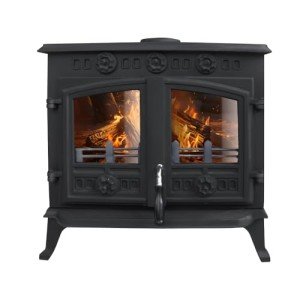
The Versatility of Multi-Fuel Stoves for Small Spaces
In the ever-evolving landscape of home heating options, multi-fuel stoves have actually become a popular option, particularly for those living in compact home. These stoves, which can burn various kinds of fuel such as wood, coal, and pellets, provide considerable advantages in terms of performance, cost-effectiveness, and environmental friendliness. This article explores the advantages of small multi-fuel stoves, their functionality, and some regularly asked questions to assist prospective buyers make informed choices.
The Benefits of Using a Multi-Fuel Stove
1. Adaptability
Among the primary benefits of a multi-fuel stove is its flexibility. House owners can select from different types of fuel based on schedule, cost, and individual preference. The versatility of burning wood, coal, or pellets permits more efficient and tailored heating.
2. Economical Heating
In many areas, fuel rates vary significantly. A multi-fuel stove provides the option to switch between different fuel sources as market prices change. For example, throughout the chillier months, coal may be less expensive than wood, permitting users to adjust their heating method in action to rate shifts.
3. Ecological Considerations
Burning fuels like wood and pellets is often thought about more sustainable compared to nonrenewable fuel sources. Multi-fuel stoves can utilize eco-friendly alternatives, minimizing carbon footprints. Furthermore, numerous modern multi-fuel stoves are created to burn fuel easily, resulting in fewer pollutants and better efficiency.
4. Space-Saving Design
Small multi-fuel stoves are created for compact areas, making them perfect for apartments, small homes, or small cabins. Fireplaces And Stoves combine aesthetic design with functional performance, supplying heat without frustrating restricted space.
5. Dependable Heating Solutions
Multi-fuel stoves offer a reputable source of heating, especially during power failures. They permit house owners to maintain heat even when electricity is unavailable, making them a useful option for regions prone to serious weather.
How Does a Multi-Fuel Stove Work?
Multi-fuel stoves operate through a combustion chamber where various fuels are burned.
- Air Circulation: These stoves are geared up with a system that ensures optimum air flow, which is important for attaining high-efficiency levels and minimal emissions.
- Fuel Selector: Many models come with a fuel selector that allows users to select the type of fuel being burned, enhancing effectiveness.
- Heat Exchangers: Some stoves include heat exchangers to take full advantage of heat output, permitting the stove to warm the room effectively.
Table: Comparison of Common Multi-Fuel Stove Fuels
| Fuel Type | Accessibility | Effectiveness (%) | Environmental Impact | Expense (per ton) |
|---|---|---|---|---|
| Wood | High | 70-85 | Moderate, renewable | ₤ 200 - ₤ 300 |
| Coal | Moderate | 65-80 | Higher emissions | ₤ 150 - ₤ 250 |
| Wood Pellets | Moderate | 85-90 | Low, renewable | ₤ 250 - ₤ 400 |
| Biomass | Low | 75-90 | Low, eco-friendly | Varies widely |
Choosing the Right Multi-Fuel Stove
When selecting a small multi-fuel stove, numerous elements require consideration:
Size and Space
- Step the readily available space to ensure compatibility.
- Ensure the stove fits the visual of the room.
Fuel Type
- Think about the main fuel type available in your area.
- Evaluate which fuel uses the best cost-efficiency for your needs.
Performance Rating
- Examine the stove's effectiveness rating (the higher, the better).
- Search for stoves accredited for very little emissions.
Installation and Ventilation
- Evaluate installation requirements, including venting requirements.
- Consult specialists when necessary to ensure security and adherence to regulations.
Brand name Reputation
- Research study brand names for dependability and client service.
- Check out evaluations and seek recommendations from present users.
Frequently Asked Questions About Multi-Fuel Stoves
1. Are multi-fuel stoves safe to use?
Yes, multi-fuel stoves are typically considered safe when set up and preserved according to the maker's standards. Routine cleansing and evaluations can assist prevent issues.
2. Can I utilize various fuels in the same stove?
Yes, one of the primary benefits of multi-fuel stoves is their ability to burn numerous fuels. Always refer to the producer's instructions concerning suitable fuels.
3. How do I maintain a multi-fuel stove?
Regular upkeep consists of cleaning the ash pan, checking flues, and inspecting seals. Annual professional evaluations are recommended to ensure safe operation.
4. What is the average life expectancy of a multi-fuel stove?
With appropriate maintenance, a well-constructed multi-fuel stove can last anywhere from 15 to 25 years.
5. Do I need a special chimney for a multi-fuel stove?
Most multi-fuel stoves need a chimney that satisfies specific regulations regarding flue size and material. Seek advice from a professional for recommendations customized to your scenario.
In conclusion, small multi-fuel stoves use remarkable flexibility, practical heating solutions, and energy performance, making them an excellent choice for small areas. By comprehending the advantages and factors to consider associated with multi-fuel stoves, house owners can enjoy a comfortable, cost-efficient, and eco-friendly heating choice. As urban living continues to trend towards limited area, these stoves represent a forward-thinking method to traditional heating methods.